Forgotten bottles reveal the hidden history of bollinger
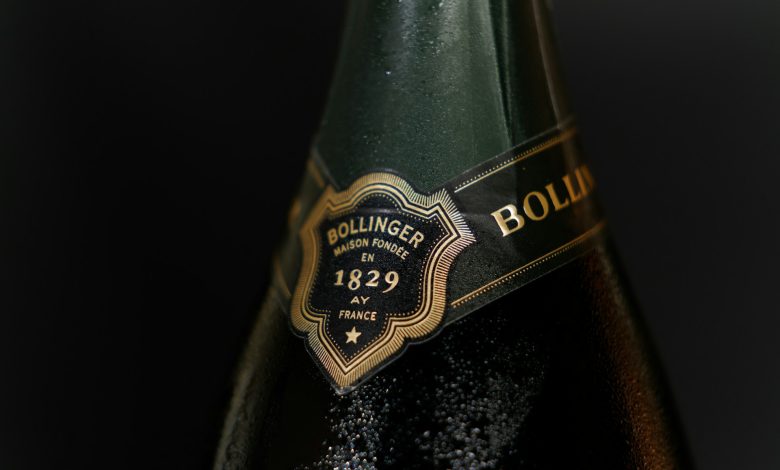
In the Champagne region, where tradition and prestige intertwine, the Maison Bollinger has long stood as a pillar of excellence. Yet, behind the stone walls of its estate, a surprising chapter emerged not in the hands of seasoned cellar masters but through the curiosity of interns. What began as a routine inventory turned into one of the most remarkable discoveries in the history of the house cases of century-old bottles lying untouched for decades, waiting to tell their story.
An unexpected discovery beneath the cellars
In 2010, during an inventory check, a young intern stumbled upon an overlooked storage space beneath Madame Bollinger’s former residence. The room, coated in dust and filled with abandoned crates and empty bottles, seemed like nothing more than a forgotten annex of the vast underground cellars. But the true revelation came two years later. In late August 2012, another intern, following instructions from cellar master Gilles Descôtes, returned to the same site. Behind the stacked boxes, he uncovered a treasure trove: bottles of champagne still sealed, some dating back to extraordinary vintages such as Aÿ 1914, Verzenay 1894, and Le Mesnil 1912. To explore more about the legacy of these vintages, you can visit this page here.
The most astonishing find bore the code “CB 14.” Upon consulting the estate archives, historians confirmed that the initials referred to a tirage code from 1830 ust one year after the official founding of Bollinger in 1829. These bottles, suspended in time, had survived nearly two centuries in the cool darkness of the chalk cellars.
Preserving liquid history
The discovery ignited both excitement and responsibility. Restoring bottles of such age required meticulous care. Bollinger’s team embarked on a delicate process: replacing corks, refilling liquid levels where possible, and ensuring the preservation of integrity. The aim was not only to safeguard the wine itself but to honor the living memory embedded in each bottle. Unlike artifacts in a museum, these champagnes remain drinkable, though reserved for special tastings and historical showcases. Each bottle embodies the evolution of Champagne as both a cultural product and a symbol of resilience.
Bollinger’s commitment to heritage
For Gilles Descôtes, the find reinforced an ongoing mission to catalog and protect the hidden treasures stored within Bollinger’s vast labyrinth of caves. These efforts go beyond mere inventory; they are a way of maintaining a bridge between the past and the future. Old vintages reveal not just technical winemaking shifts but also the broader story of a family-run house that has navigated wars, economic upheavals, and changing tastes. In many ways, these bottles function as time capsules, capturing the resilience of Champagne through eras of uncertainty.
Champagne as a memory of resilience
The mention of vintages such as 1914 holds deep meaning. That year, France stood at the edge of the First World War, yet the vineyards of Champagne continued to produce grapes under the shadow of conflict. Bottles from that harvest remind us not only of craftsmanship but of perseverance during one of history’s darkest moments. Likewise, the discovery of 19th-century vintages underscores the remarkable durability of wine when safeguarded in optimal conditions.
Treasures that fuel imagination
What makes the story so compelling is the sense of mystery still surrounding the caves. If forgotten bottles could lie hidden for more than a century, what else might remain to be uncovered? The Champagne region has always carried a blend of romance and secrecy, and Bollinger’s hidden cellars intensify that aura. For wine lovers, these discoveries invite not only admiration but also imagination: to hold a bottle that has silently witnessed the passing of empires and generations is to grasp history in its most tangible form.
An enduring legacy for future generations
Bollinger’s decision to preserve and document these finds ensures that their value will extend beyond collectors and connoisseurs. They become part of a shared cultural heritage, proof of how tradition and innovation can coexist. As Champagne continues to evolve in a modern, globalized market, the respect for these ancient bottles anchors the house firmly in authenticity. For future generations, the story of the hidden cellars will serve as both inspiration and reminder that sometimes the greatest treasures are not created anew but rediscovered in silence.
When chance meets legacy
What began with the curiosity of interns turned into one of Champagne’s most extraordinary stories. The forgotten bottles of Bollinger do more than enhance the prestige of the house; they illustrate how history, resilience, and chance discoveries can redefine our appreciation of wine. And while more treasures may yet rest in the cellars, one lesson is already clear: Bollinger’s heritage is not only about producing remarkable champagne but also about protecting the memories hidden in every bottle.