Kung Fu Classes for Adults: Unlocking Strength, Discipline, and Inner Balance
Introduction to Kung Fu for Adults
In a world filled with hectic schedules, sedentary lifestyles, and mental stress, more adults are turning to traditional martial arts to regain control over their physical and mental well-being. Among the most respected and time-honored martial arts in the world is Kung Fu, a Chinese discipline that combines self-defense, physical conditioning, mental focus, and spiritual awareness. While often associated with children or cinematic fight scenes, kung fu classes for adults are rapidly gaining popularity for their ability to provide a well-rounded approach to health, fitness, and personal growth.
Kung Fu is not merely about fighting; it is a comprehensive system of movement, discipline, and philosophy. Adult practitioners quickly discover that Kung Fu is as much about developing inner strength and self-confidence as it is about mastering physical techniques. Whether you’re a beginner seeking to improve fitness or someone drawn to martial arts for self-defense and cultural appreciation, Kung Fu offers something profound for adults at any stage of life.
What Is Kung Fu?
The term Kung Fu (功夫) translates roughly to “skill achieved through hard work.” Unlike other martial arts with specific styles or rule sets, Kung Fu is an umbrella term that encompasses a wide variety of Chinese martial arts traditions. These include well-known styles like Shaolin Kung Fu, Wing Chun, Hung Gar, Wushu, Northern Long Fist, and Southern Praying Mantis, each with its unique techniques, philosophies, and training methods.
Kung Fu emphasizes fluid motion, power generation, balance, and precision, often drawing inspiration from nature, animals, and ancient Chinese philosophy. Practitioners are trained not only in striking and blocking, but also in breathing techniques, stances, forms (known as “katas” or “taolu”), and in some cases, weaponry. Kung Fu classes focus on building physical fitness, mental discipline, and cultural understanding.
Why Adults Should Consider Learning Kung Fu
Many adults assume martial arts are best suited for children or professional fighters, but Kung Fu is uniquely beneficial for mature students. Unlike sports that may favor youth and speed, Kung Fu focuses on timing, technique, coordination, and awareness, which can be developed and refined regardless of age.
Fitness and Strength: Kung Fu classes offer a full-body workout that builds strength, flexibility, and endurance. Through forms, drills, and sparring, practitioners engage muscle groups they may not use in typical workouts. The dynamic movements and stances strengthen legs, core, arms, and back.
Stress Reduction: Combining physical exertion with meditative breathing and mindfulness, Kung Fu helps reduce anxiety and improve emotional regulation. Adults who practice regularly report feeling calmer, more focused, and better equipped to manage everyday stress.
Self-Defense: Kung Fu teaches practical self-defense skills that help adults feel more confident and secure. Techniques include punches, kicks, blocks, grapples, and escapes, as well as situational awareness and de-escalation strategies.
Mental Discipline and Focus: Kung Fu cultivates mental clarity, patience, and perseverance. Learning complex forms and techniques requires attention to detail and repetition, which sharpens memory and enhances cognitive function.
Cultural Connection: For those interested in Chinese history, philosophy, or traditional medicine, Kung Fu offers a gateway into thousands of years of cultural heritage and wisdom.
What to Expect in an Adult Kung Fu Class
Adult Kung Fu classes are typically designed to be inclusive and progressive, allowing individuals of all fitness levels and backgrounds to participate. Whether you’re a complete beginner or returning after years away from training, instructors create a welcoming environment focused on growth and support.
Warm-up and Conditioning: Classes begin with warm-up exercises, stretching, and conditioning routines that prepare the body and build foundational strength. This may include push-ups, squats, stance work, joint rotations, and light cardio.
Fundamentals and Techniques: Students learn basic stances, strikes, kicks, blocks, and footwork. Proper form is emphasized to avoid injury and develop good habits.
Forms Practice: Kung Fu forms are choreographed sequences of movements that mimic combat scenarios and demonstrate the style’s principles. Practicing forms improves coordination, timing, and flow.
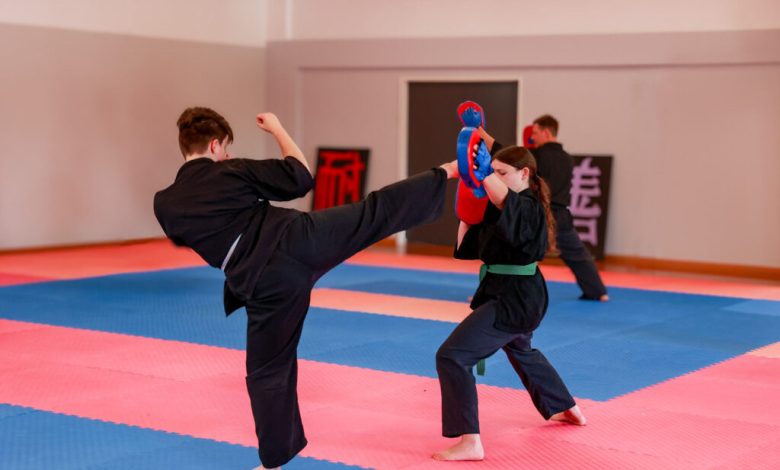
Partner Drills and Sparring: Controlled sparring and partner drills teach real-time application of techniques. Adults practice distance control, timing, defense, and counterattacks in a safe, respectful setting.
Breathing and Internal Energy Work: Many Kung Fu classes integrate elements of Qigong or meditative breathing to enhance internal energy, balance, and relaxation.
Cool-down and Reflection: Sessions often end with light stretching, breathwork, or reflection to calm the body and mind.
Popular Styles of Kung Fu for Adults
Different Kung Fu styles offer unique benefits and challenges. Some are fast and acrobatic, while others emphasize stability and power. Here are a few popular styles often taught in adult classes:
Shaolin Kung Fu: Known for its dynamic movements and traditional forms, Shaolin Kung Fu offers a blend of physical toughness and spiritual development. It includes punches, kicks, jumps, and animal-inspired forms.
Wing Chun: A practical, close-range style that emphasizes economy of movement, quick strikes, and centerline theory. It is ideal for self-defense and is often favored by adults seeking functional techniques.
Hung Gar: A Southern style focusing on powerful stances, low kicks, and strong upper body strikes. Hung Gar is known for its “Five Animal” forms and combination of strength and fluidity.
Tai Chi Kung Fu: Though often practiced as a slow, meditative art, certain Tai Chi systems retain martial applications. These classes integrate softness with powerful internal energy development.
Modern Wushu: A more athletic, performance-based version of Kung Fu that includes high kicks, flips, and fast forms. Though less combative, it provides excellent conditioning and coordination.
Each style has its own philosophy and training emphasis, so adults can explore and choose what best suits their interests, goals, and physical capabilities.
Overcoming Common Misconceptions
Adults may hesitate to join Kung Fu classes due to misconceptions. Let’s clear up a few:
“I’m too old to start.”
Kung Fu is for all ages. Many schools offer adult-only classes where students train at their own pace, and many styles focus on technique over brute strength or agility.
“I need to be in shape first.”
You don’t need to be fit to begin. Kung Fu helps you get in shape. Classes are structured to gradually build fitness, flexibility, and stamina over time.
“I’ll get hurt.”
Safety is a priority in reputable Kung Fu schools. Instructors emphasize control, proper technique, and mutual respect. Sparring and contact drills are optional and introduced progressively.
“It’s all about fighting.”
While self-defense is a component, Kung Fu is equally about self-awareness, discipline, character development, and inner balance.
Finding the Right Kung Fu School
Choosing the right Kung Fu school or instructor is crucial for a fulfilling experience. Look for the following:
-
Qualified instructors with lineage, experience, and a clear teaching philosophy
-
Adult-friendly environment with classes designed for mature learners
-
Structured curriculum that includes clear progression and skill development
-
Emphasis on safety, respect, and individual growth
-
Flexible schedules that accommodate working professionals or parents
It’s a good idea to visit a few schools, observe classes, talk to instructors, and ask about trial lessons before committing.
The Long-Term Journey of Kung Fu
Kung Fu is not a quick fix—it’s a lifelong journey. Adult students often find that the deeper they go into their practice, the more they discover about themselves. With time, they develop not just physical skills, but also emotional resilience, humility, and confidence.
Progress in Kung Fu is not measured solely in belts or certifications, but in mastery of one’s mind and body. Adults who stay committed often describe the experience as transformative, reshaping their approach to challenges in both training and life.
Kung Fu Beyond the Dojo
The benefits of Kung Fu extend far beyond class time. Practitioners often find themselves moving more mindfully, breathing more deeply, and responding to stress with greater calm. The discipline developed through consistent training spills over into work, relationships, and personal goals.
Kung Fu also opens doors to a vibrant community. Through seminars, cultural events, tournaments, and training camps, adults can connect with like-minded individuals, build friendships, and explore deeper aspects of Chinese culture and philosophy.
Conclusion: Strength, Wisdom, and Self-Discovery
Kung Fu classes for adults are a powerful way to enhance your life—physically, mentally, and spiritually. More than just a workout or self-defense method, Kung Fu offers a timeless path to self-mastery, balance, and resilience. Whether you’re seeking fitness, stress relief, confidence, or a deeper connection with martial tradition, Kung Fu welcomes you with open arms.
It’s never too late to begin. With consistent practice, supportive instruction, and an open heart, Kung Fu can become not just a class you attend—but a lifestyle you live.